Industries · Food & beverage
They came to Pakistan. They came to Tur.
KFC in 2006. Hardee's in 2008. Fatburger. Tim Hortons in 2022. In twenty years Tur has become as much a specialist in food-grade packaging as it has always been in printing for the world's apparel brands — audited every year by Restaurant Brands International and certified to FSSC 22000.
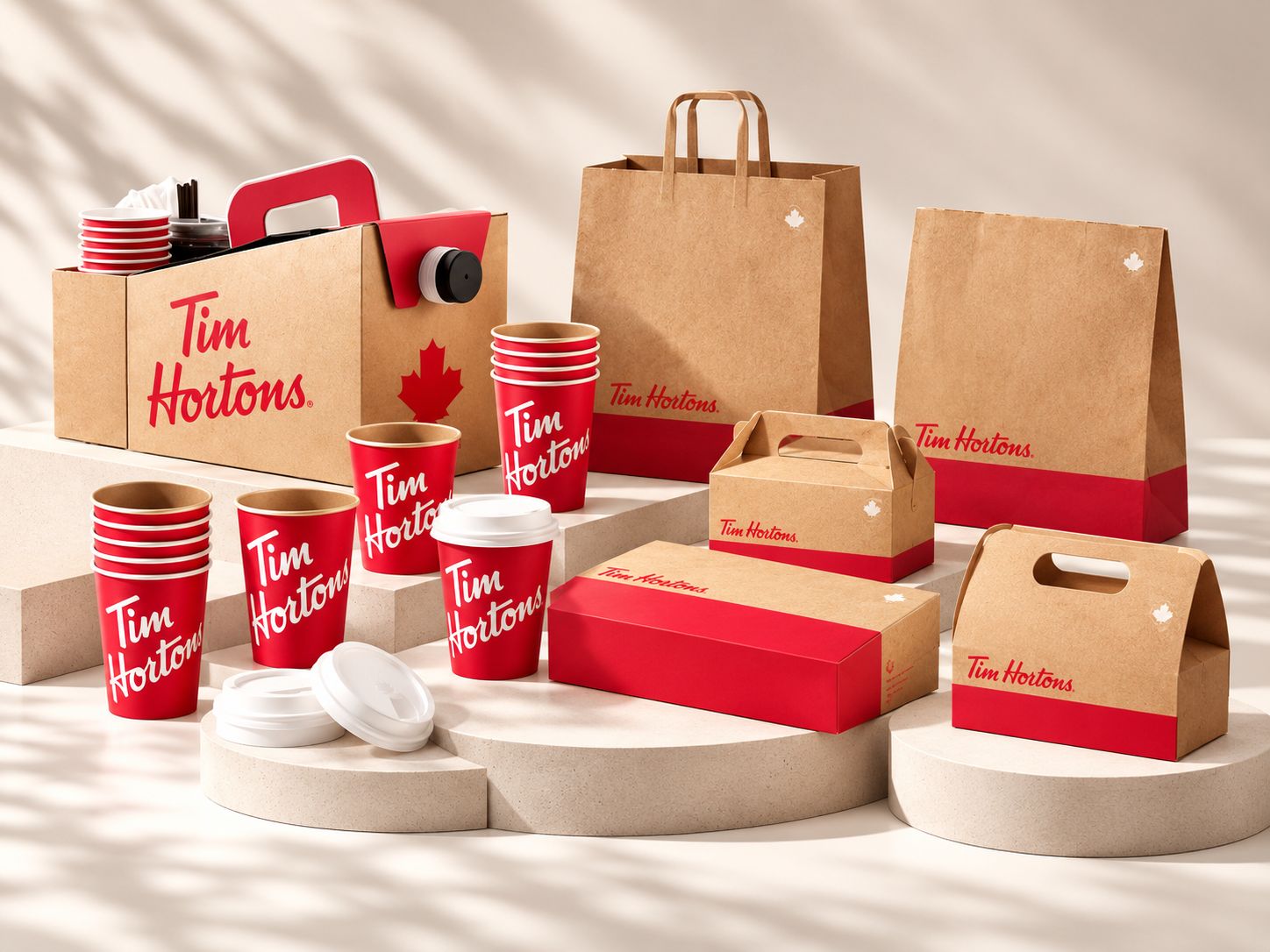 Tim Hortons · takeaway range
Twenty years of arrivals
Each one inspected the floor before it trusted it
International food brands do not choose a packaging supplier from a brochure. They send people. Every name below arrived in Pakistan, audited this building, and stayed.
- 2006KFC
Takeaway packaging supplied nationwide — boxes, bags, clamshells and butter papers.
- 2008Hardee's
A team from Tennessee audited the facility, then approved Tur as Hardee's sole packaging vendor in Pakistan.
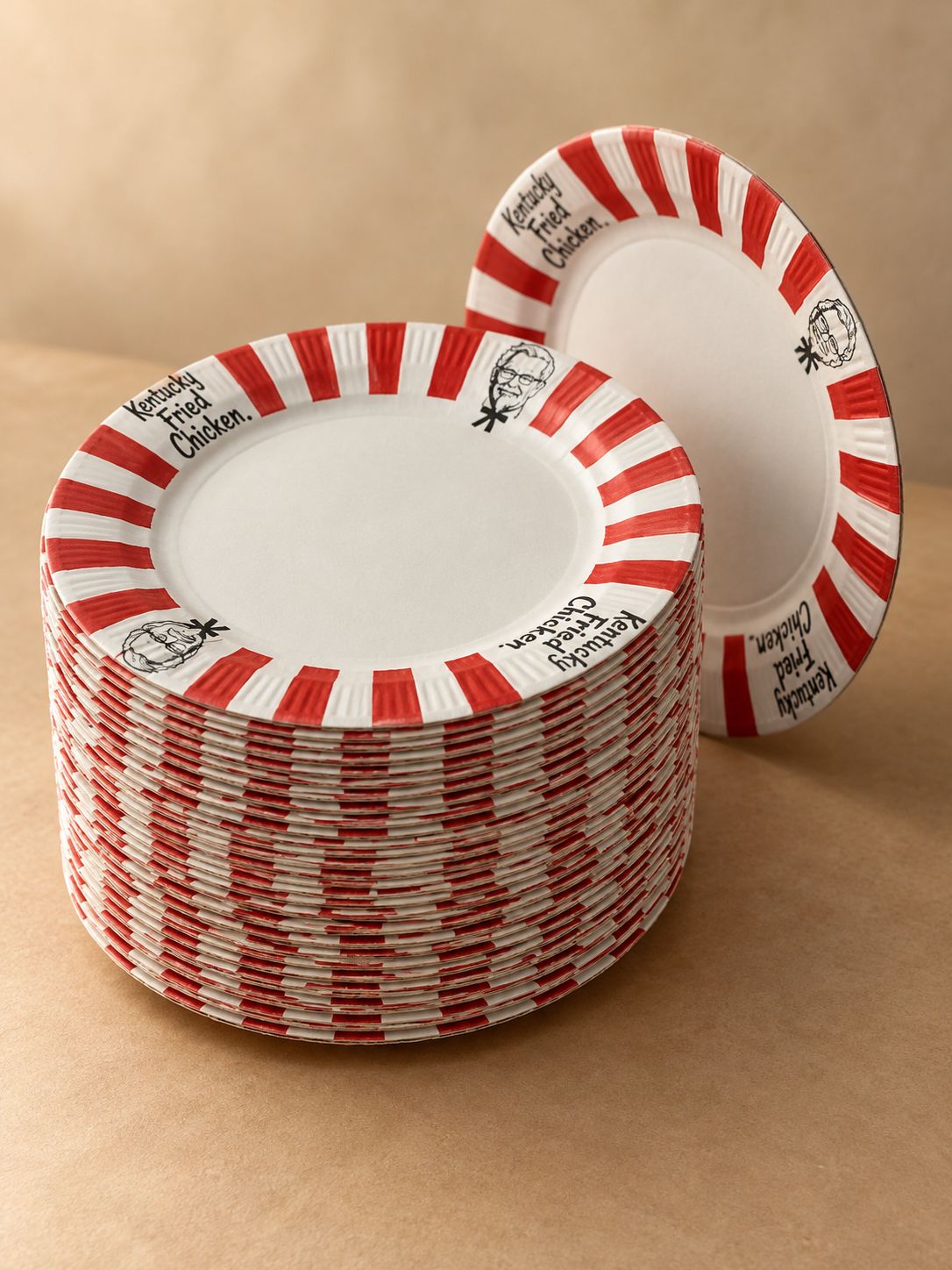
- 2010KFC plates
Paper-plate machines installed to make KFC's plates in bulk, in-house.
- Fatburger
Opted for Tur's food-grade line for its takeaway packaging.
- 2022Tim Hortons
Chose Tur for its Pakistan launch — and has kept growing with it since.
- NowFSSC 22000
Certified on top of RBI's annual audit — eligible to supply RBI brands beyond Pakistan.
2010 · KFC
A machine bought for one plate
KFC needed its paper plates in volumes no outside supplier could keep pace with. So in 2010 Tur stopped sourcing them and started making them — paper-plate forming machines installed on the floor, producing KFC's plates in bulk.
It is the pattern behind every machine in this building: a limitation found, then removed.
Case study · Tim Hortons · 2022 to now
Growing at the speed of the brand
Tim Hortons is part of Restaurant Brands International and is operated in Pakistan by Blue Foods. Since the first Lahore store it has scaled across the country — and Tur's supply has grown in proportion, on the same specification, from the same floor.
Then the menu changed. Savoury food joined the coffee and donuts, and food eaten from the hand — often in a car — needed packaging that thinks. Two of the answers came from this building.
A wrap that opens in the middle
The problemA wrap eaten on the move has to open without a struggle, then keep holding the food once it is open. Ordinary wrapping paper does one or the other.
What Tur madeA wrap pack with a perforated tear band around its centre. Pull the tab and the pack parts into two sleeves, so each half is eaten from its open end while the paper still holds it.
How it works- Perforated tear band, both edges, with a printed pull tab
- Grease-resistant paper approved for direct food contact
- Each half stays sleeved — hands stay clean, the paper catches what falls
- Opens one-handed, without tearing into the food
One carrier for four. Two carriers for two.
The problemA four-cup order often leaves the counter in two directions. A single four-cup carrier cannot follow both.
What Tur madeA four-cup carrier with a perforated split line down its centre. Tear along it and it becomes two independent two-cup carriers.
How it works- Cut-and-tie perforation: rigid under four full cups, tears cleanly by hand
- Each half keeps its own handle and its own cup locks
- One item stocked at the counter does the job of two
Tur R&D · cup carriers
Held from the top, coffee stays in the cup
Carry a cup by its base and every step tilts it. Hold it from the top and it hangs straight. Tur's R&D team has worked through design after design of suspension carriers — carriers that grip each cup at the collar, just under the lid, and look more like a bag than a tray.
Tray · cups lean 12°Suspended · cups lean 1°
A tray supports a cup from below, so the cup's centre of mass sits above its support. Any tilt creates a turning moment that leans the cup further, and the coffee climbs the downhill wall towards the lid.
A suspension carrier holds the cup above its centre of mass. The cup hangs like a pendulum: tilt the carrier and gravity swings it back to vertical. The load also runs up through the handle in tension — the direction paperboard carries load best — instead of bending a base.
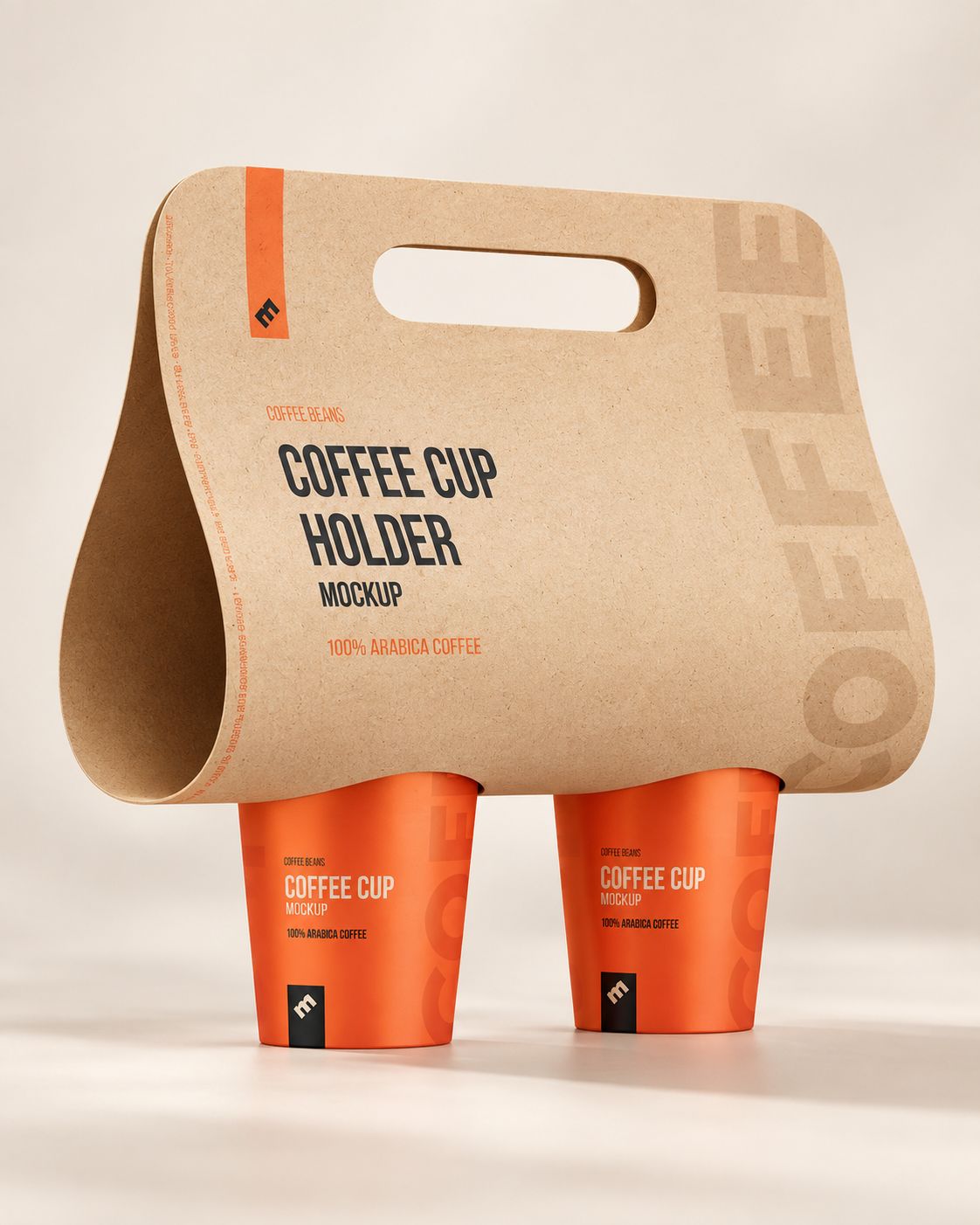 Suspension carrier · two-cup
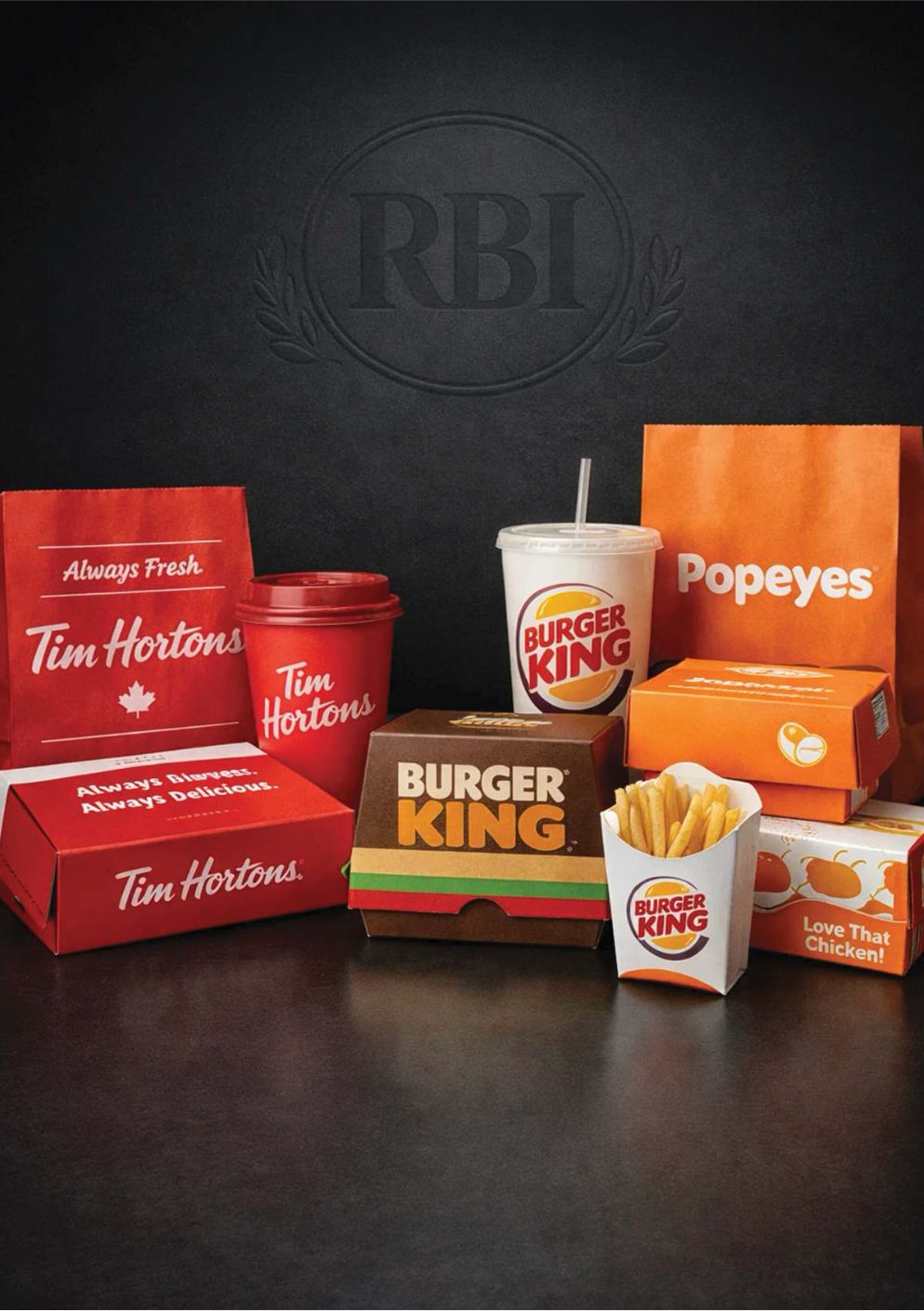 RBI portfolio
The standard behind it
The room RBI audits every year
Tim Hortons belongs to Restaurant Brands International, and RBI audits its packaging suppliers every year. What it inspects is not the print. It is the room the print is converted in.
Food-grade work at Tur runs in a hygiene-controlled converting area, under the prerequisite programmes written specifically for packaging makers — ISO 22002-4, the foundation FSSC 22000 is built on. FSSC 22000 is recognised by the Global Food Safety Initiative. Together with RBI's own audit, it makes Tur eligible to supply RBI's brands — Tim Hortons, Burger King, Popeyes — beyond Pakistan.
Nothing enters without its paperwork
Board, inks, adhesives and coatings are accepted only against food-contact specifications and each supplier's declaration of compliance. Every lot is logged before it reaches a machine.
Inks chosen for what touches food
Low-migration ink systems for food-contact work, and colour held to the brand's measured standard — so the thousandth cup sleeve matches the first, and the next order matches this one.
A room you enter on its terms
Food-grade converting is segregated from general production. Entry is through a hand-wash and change point: hair covered, no jewellery, no food or drink. Dust is controlled at its source, and surfaces are cleaned to a schedule that is checked, not assumed.
Only packaging leaves with the packaging
A register of every glass and brittle-plastic item in the area, controlled blades, monitored pest control and no loose wood near open product. Each is inspected, and any breakage is recorded and acted on.
Sealed inside, traceable outside
Finished goods are wrapped and sealed before they leave the controlled area, and lot-coded — so any carton can be traced back to its run, its materials and its shift.
Controls follow ISO 22002-4 · prerequisite programmes for food-packaging manufacturing · inspected by RBI annually and by the FSSC 22000 certification body
Pakistan's own
Same line. Same room. Same audit.
Pakistan's café and restaurant brands choose Tur for one reason above the rest: a cup or a box made here for them is made on the same line, in the same hygiene-controlled room, to the same standard as the packaging made for RBI.
A café with three branches gets the standard of a brand with thousands.
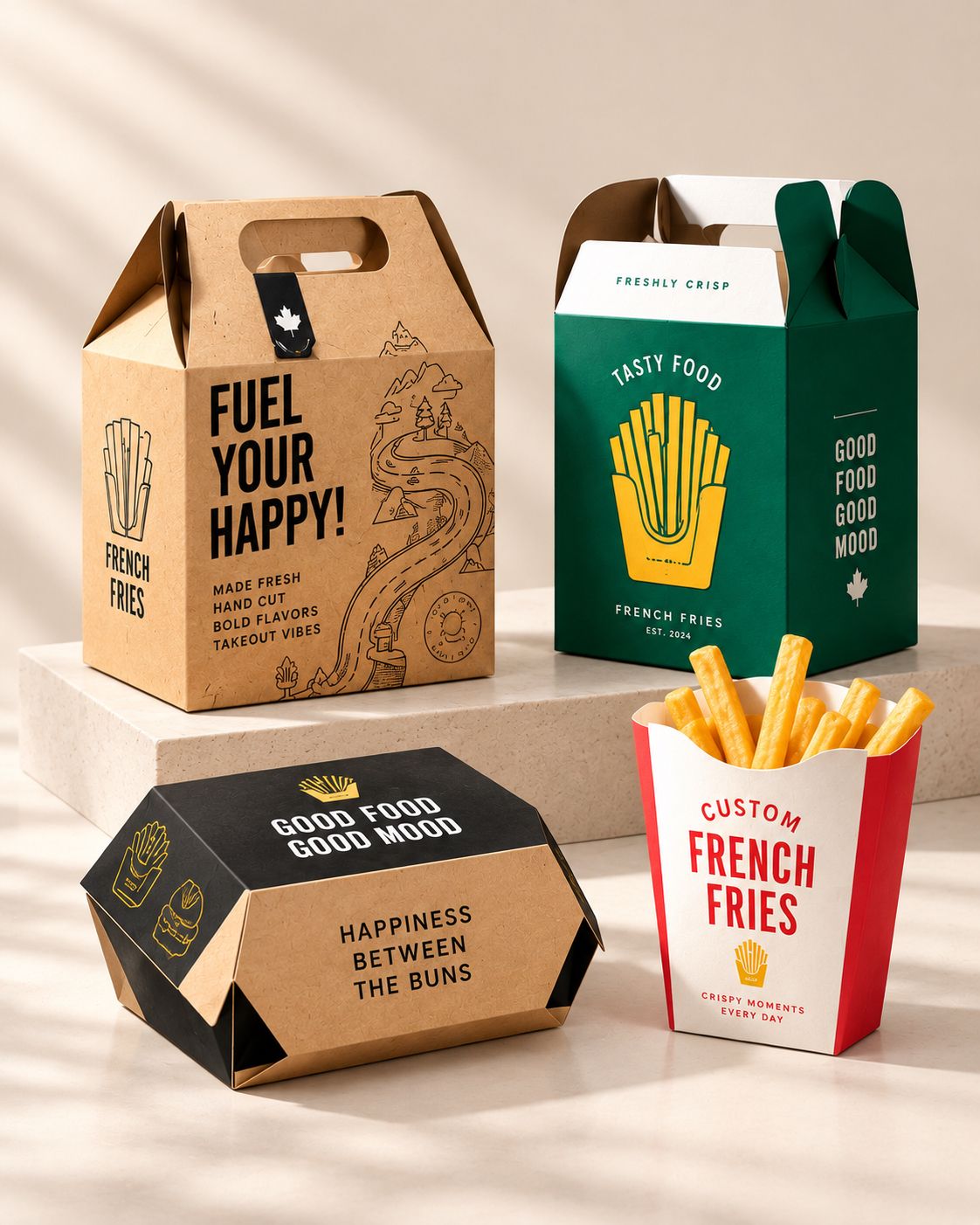 Takeaway range · illustration
The range
Built for a service counter, not a showroom
Food packaging fails in ways retail packaging never does — heat, grease, moisture and a queue. Everything below is made for service conditions and consistent brand presentation at volume.
Beverage
- Cup sleevesPrinted to the brand's colour standard
- Two- and four-cup carriersIncluding the split four-cup design
- Suspension carriersCups held from the top
Serve
- Paper platesFormed in-house since 2010
- Wraps & butter papersGrease-resistant, direct contact
- Tray linersPrinted for tray service
Takeaway
- SOS bagsSelf-opening, reinforced base
- Meal & burger boxesStack square, hold heat and shape
- Clamshells & fry sleevesFast to assemble at the counter
- Centre-opening wrap packsOpen in the middle, hold the food
Bakery & retail
- Donut & bakery boxesWindow options, food-safe adhesives
- Folding cartonsFrozen and chilled retail packs
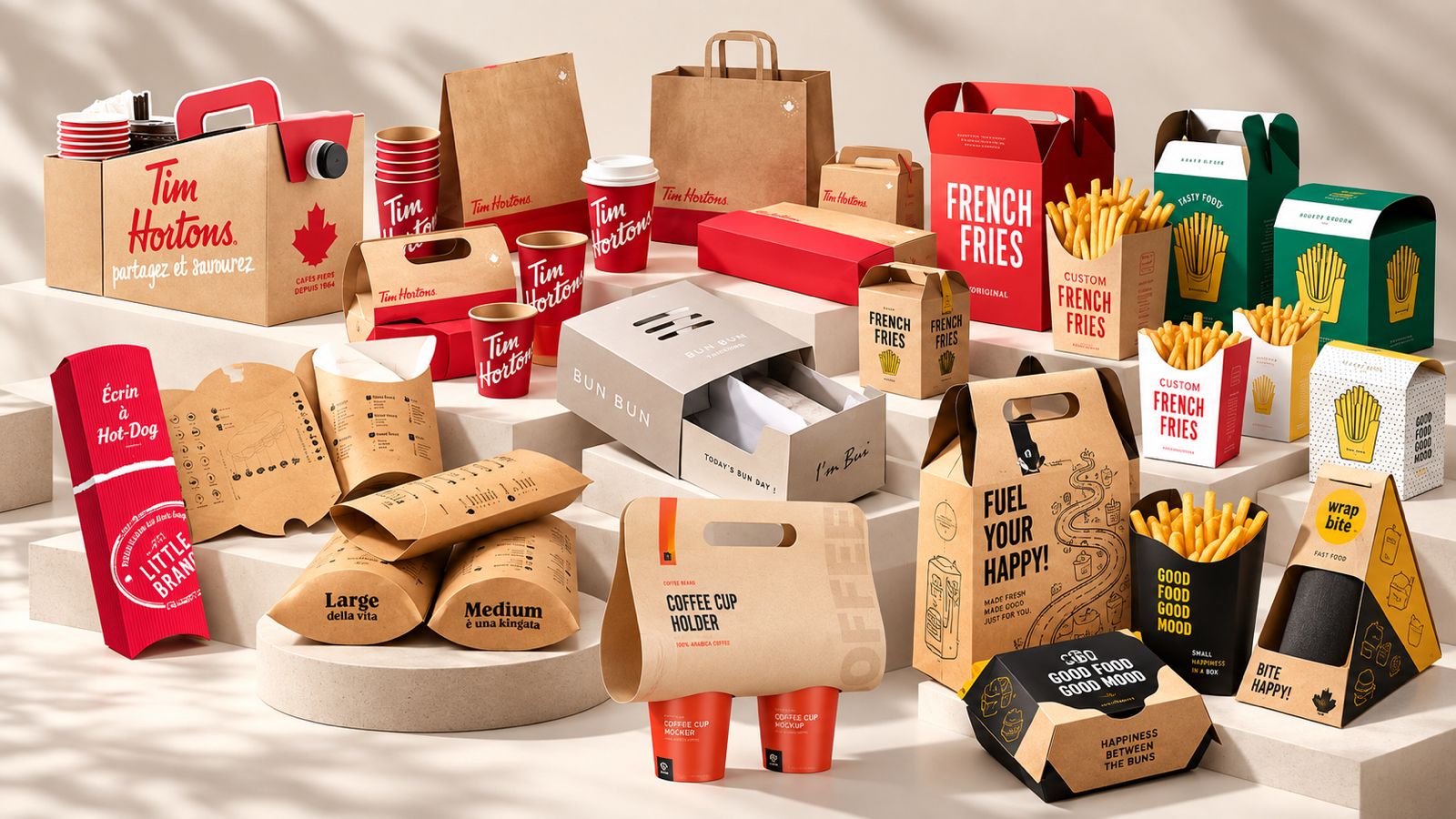 Takeaway range · illustration
Begin
Send us the specification
A die-line, a sample, a photograph of something you want matched — or just the menu. We will tell you what it takes to make, what it will cost, and when it can ship.